
You might have been told that milk is the brick your bones need, and that’s partly true. But keeping your bones strong takes more than just calcium.
Bones change every single day based on your lifestyle, what you eat and how much you move. Diet changes show up in your bone health results, so it helps to understand the differences between REMS and DXA scans before you get tested. After your 30s, bone loss speeds up, and knowing how to prevent osteoporosis becomes very important. Diet is one piece of the puzzle, and our bone health program builds it into a full 12-month plan for stronger bones.
In this article, you’ll find the best foods to prevent osteoporosis, as well as the ones you should limit or avoid if you want to keep your skeleton strong and healthy.
Why Nutrition Is Important For Bone Health After Your 40s?
Your body handles nutrients differently in your 40s than it did in your 20s. If you want to learn more about us and the REMS scanning team behind these nutrition guides, our story explains why we focus on early bone loss. Calcium absorption drops, vitamin D production slows down, and hormonal changes (especially for women) affect how your bones hold onto minerals.
More than 54 million Americans have low bone density. Osteoporosis can sometimes run in families, so genetics do play a role in your risk.
Here’s what happens:
- Your stomach makes less acid, which means you absorb less calcium from food
- Your skin produces about 50% less vitamin D from sunlight
- Women lose bone rapidly in the first years after their periods stop
- Men see gradual bone loss that picks up speed after 65
These changes mean you need to be smarter about what goes on your plate. The foods you eat today literally become your bone tissue over the next few months.
Learn more on how genetics can affect your bone health in our guide: is osteoporosis genetic
The Essential Nutrients Your Bones Need
Before we talk about specific foods, let’s cover what your bones actually need to stay strong. Think of these as the building blocks:
| Nutrient | What It Does | Daily Target (Age 40+) |
| Calcium | Main mineral in bones, provides structure | 1,000-1,200 mg |
| Vitamin D | Helps absorb calcium, regulates bone growth | 800-1,000 IU |
| Vitamin K | Activates proteins that bind calcium to bones | 90-120 mcg |
| Magnesium | Converts vitamin D to active form | 320-420 mg |
| Protein | Provides framework for bone tissue | 0.8-1.0 g per pound of ideal body weight |
| Vitamin C | Makes collagen that keeps bones flexible | 75-90 mg |
Your bones need all of these working together. Calcium gets the spotlight, but it can’t do much without vitamin D to help absorb it or vitamin K to lock it into bone tissue.
One distinction worth understanding early: bone density and bone quality are not the same thing. Density measures how much mineral is packed into your bone tissue.
Quality captures the structural integrity of the collagen framework, the architecture of the trabecular network, and how well your bone actually resists fracture under real load.
You can have adequate density and still have brittle bones if the underlying quality is poor. The foods below support both.
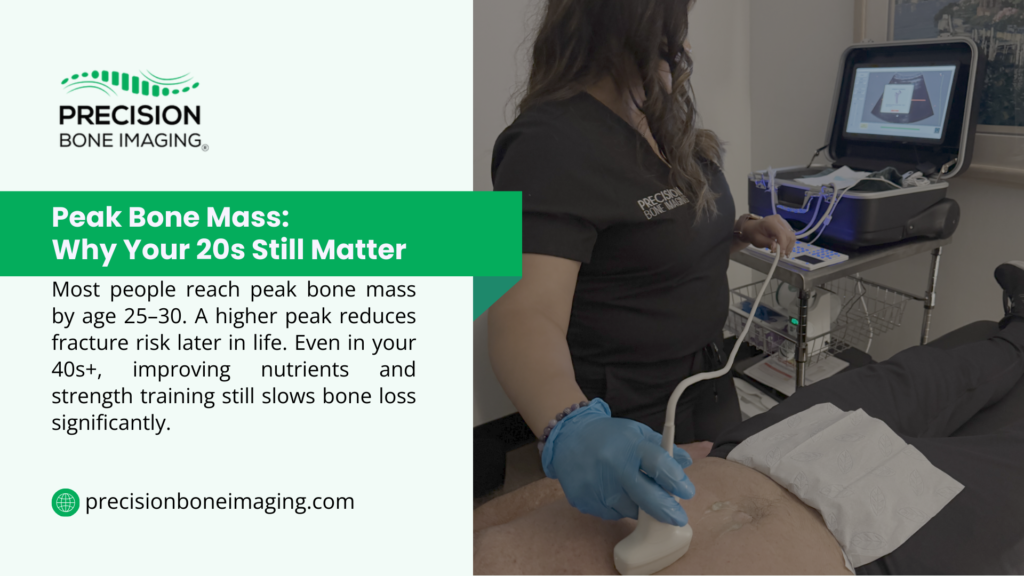
Best Foods to Prevent Osteoporosis: What to Add to Your Plate
- Leafy Greens
Dark leafy greens pack serious calcium along with vitamin K and magnesium. Collard greens have more calcium per serving than milk, making it an excellent plant-based calcium source.
Best options:
- Collard greens (268 mg calcium per cooked cup)
- Turnip greens
- Kale
- Bok choy
- Spinach (though your body absorbs less calcium from it)
Toss them in a salad, blend them in a smoothie, or sauté them with garlic as a side dish. Fresh or frozen, both work fine.
- Fatty Fish (Your Vitamin D Source)
Most foods contain almost no vitamin D naturally, but fatty fish are the big exception. A 3-ounce serving of salmon gives you about 450 IU of vitamin D, plus omega-3 fats that help reduce inflammation.
Top choices:
- Wild-caught salmon
- Sardines (eat the tiny bones for extra calcium)
- Mackerel
- Rainbow trout
- Canned tuna
Aim for fatty fish 2-3 times per week.
- Bone Broth and Collagen
Calcium and vitamin D tend to dominate bone health conversations, but the collagen matrix underneath your minerals deserves equal attention.
Bone broth is one of the most direct ways to support this. Simmering animal bones for several hours releases collagen peptides, gelatin, and trace minerals including calcium, magnesium, and phosphorus.
These compounds provide the amino acids (particularly glycine, proline, and hydroxyproline) that your body uses to synthesize and repair collagen in bone tissue.
Collagen supplements (hydrolyzed collagen peptides) deliver the same building blocks in a more concentrated form. Studies suggest that collagen peptides combined with vitamin C may support bone mineral density and reduce joint discomfort, though research is ongoing.
Practical options to add both:
- Use bone broth as a base for soups and stews instead of store-bought stock
- Sip a cup of bone broth as a warm drink, particularly after exercise
- Add collagen powder to coffee, smoothies, or oatmeal — it’s flavorless and dissolves easily
- Choose brands that use grass-fed or pasture-raised sources for higher-quality amino acid profiles
Vitamin C is your cofactor here. Your body cannot properly form collagen without it, so pair collagen-supportive foods with bell peppers, citrus, strawberries, or broccoli.
- Nuts and Seeds (Small but Mighty)
Almonds, sesame seeds, and chia seeds all deliver calcium, magnesium, and healthy fats in a small package.
Best for bones:
- Almonds (75 mg calcium per ounce)
- Tahini (made from sesame seeds)
- Chia seeds
- Sunflower seeds
Sprinkle them on salads, blend them in smoothies, or just grab a handful as a snack. A single ounce daily provides meaningful nutritional support.
Complete Food Table
Here’s a quick reference for planning meals:
| Food | Serving Size | Calcium (mg) | Vitamin D (IU) |
| Greek yogurt | 1 cup | 300 | 80 |
| Collard greens (cooked) | 1 cup | 268 | 0 |
| Salmon (wild) | 3 oz | 15 | 450 |
| Sardines (canned) | 3 oz | 325 | 165 |
| Almonds | 1 oz | 75 | 0 |
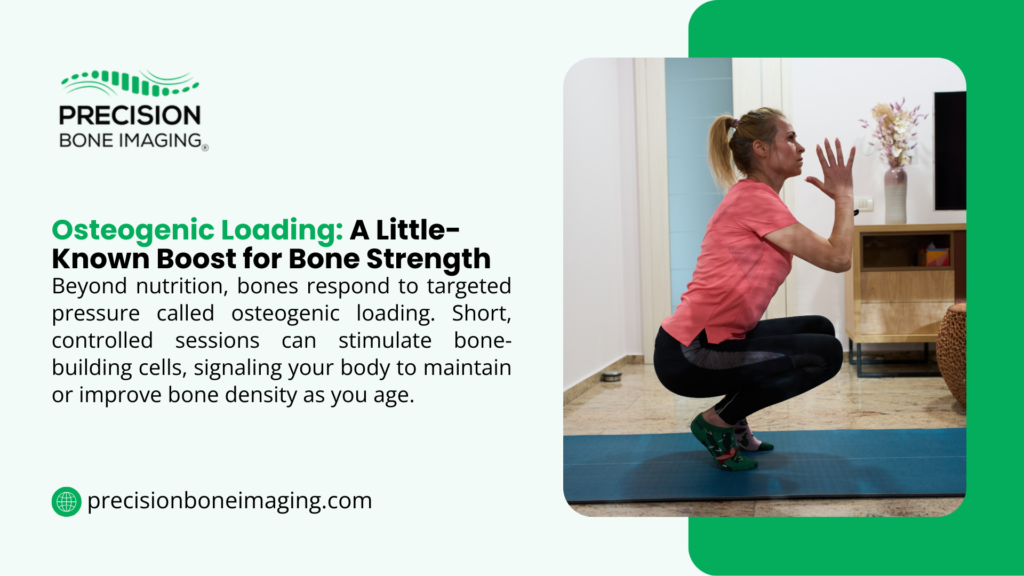
Best Foods to Prevent Osteoporosis: What Foods to Limit or Avoid
Some foods actively work against your bone health by either blocking calcium absorption or forcing calcium out of your body faster.
- Salt
Your kidneys dump calcium into your urethra when you eat too much salt. Every 2,300 mg of sodium you eat costs you about 40 mg of calcium.
High-sodium foods to limit:
- Processed meats (deli meat, bacon, hot dogs)
- Canned soups
- Restaurant meals
- Salty snacks (chips, pretzels)
- Frozen dinners
Shoot for under 2,300 mg of sodium per day. Use herbs and spices for flavor instead of salt.
- Sugar and Soda
Sugar creates inflammation in your body, which speeds up bone breakdown. Soda is even worse because it contains phosphoric acid that throws off your calcium-phosphorus balance.
Skip these:
- Regular soda (diet soda is slightly better but still not great)
- Sweet tea and energy drinks
- Candy and baked goods
- Sweetened breakfast cereals
Studies show that people who drink soda daily have lower bone density and more fractures than people who skip it.
- Too Much Caffeine
Coffee in moderation is fine, but more than 3-4 cups daily can increase calcium loss through urine. This matters more if you’re not getting enough calcium to begin with.
If you love your coffee, just make sure you’re eating plenty of calcium-rich foods throughout the day. Adding milk to your coffee actually helps offset the effect.
- Alcohol
Heavy drinking interferes with how your body absorbs calcium and disrupts the hormones that regulate bone remodeling.
Women face extra risks here because alcohol affects estrogen levels, and changes during menopause and joint pain already stress your bones.
| Food Type | Why It’s a Problem | What to Do |
| High-sodium processed foods | Forces calcium out through kidneys | Choose fresh or low-sodium versions |
| Soda and sweet drinks | Phosphoric acid disrupts calcium balance | Switch to water, milk, or unsweetened tea |
| Excessive caffeine | Increases calcium loss in urine | Limit to 2-3 cups coffee daily |
| Heavy alcohol | Blocks calcium absorption | Keep to 1 drink/day for women, 2 for men |
| High-sugar foods | Creates inflammation | Choose fruit for sweetness instead |
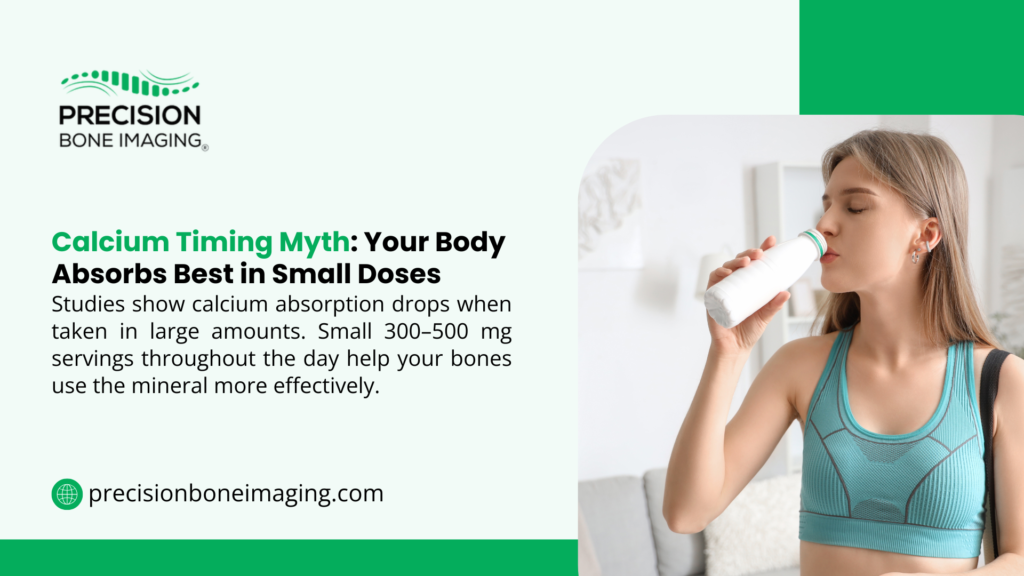
Bones: Your Body’s Longevity Signal
Your bones are more than the framework holding you upright. They’re active metabolic tissue that communicates with your hormones, immune system, and organs throughout your life.
Strong bones support:
- Mobility and independence as you age
- Hormonal balance (bones produce osteocalcin, which affects metabolism)
- Immune function (bone marrow creates blood cells)
- Overall vitality and confidence in daily activities
When bone health declines, it signals broader changes in your metabolism and aging process. That’s why protecting your bones isn’t just about preventing fractures, but it’s about maintaining the foundation of longevity and quality of life.
Protect Your Bones with Quick, Radiation-Free Screening
Precision Bone Imaging uses advanced REMS technology that’s 30% more accurate than traditional DXA scans in predicting fracture risk and 40% more sensitive to changes in bone quality.
Our radiation-free assessments don’t just measure bone density, but they reveal bone quality and strength, giving you the clarity and confidence to take action.
With over 2,400 customers served, we’ve become a trusted resource for early osteoporosis detection and ongoing bone health monitoring.
Book your assessment today and join thousands who’ve already taken the first step on preventing osteoporosis.
Frequently Asked Questions (FAQ) On Foods To Prevent Osteoporosis
What does bone quality mean and how does food affect it?
Bone quality means how strong and healthy your bones are. It depends on things like bone density (how much mineral is in the bones), the structure of the bone, and how well the bone tissue is maintained.
Food affects bone quality because bones need nutrients such as calcium, vitamin D, protein, and other minerals to grow and stay strong.
Is it too late to improve my bones if I am already in my 50s or 60s?
Research indicates that the intake of calcium and vitamin D not only improves bone health but also reduces the risk of fractures, this is true even in the case of people who are in their 60s and 70s.
Should I avoid spinach because it contains oxalates?
Oxalates, which are present in spinach, do bind a part of its calcium and make it less accessible but at the same time, spinach contributes magnesium, vitamin K, and other nutrients which are good for bones.
How much protein do bones need?
Your bones require the right amount of protein in order to sustain their structural framework. The daily intake should be around 0.8 to 1.0 grams per pound of ideal body weight.
Do I need to take calcium and vitamin D at different times?
Calcium and Vitamin D are factors that work in combination, deploying them at the same time is in fact the best. The human body requires vitamin D for the proper absorption of calcium.
Important Note:
This article is made for educational purposes only and does not replace medical care. Always consult with your healthcare provider, especially if you have existing bone health concerns.